Do You Have Sciatica?

If you are experiencing pain that radiates from the back or buttocks, all the way down the legs, you may have a common condition called sciatica. Many people in Sheffield suffer with the pain of sciatica, and many never achieve a long term solution. An untreated sciatic condition can continue to worsen and make the daily tasks of living go from difficult to impossible. This article is aimed at helping you to understand sciatica, and explains how chiropractic treatment can help you to overcome it.
Sciatica in Sheffield
Sciatica, which is also known as sciatic neuralgia, is a condition that causes pain in the low back, down the back of the leg and into the foot. It can make sitting and standing for long periods of time difficult and can lead to weakness, tingling and numbness in the leg and foot. It will often come and go throughout a person's lifetime, causing periods of varying degrees of pain and discomfort. If left unchecked, sciatic pain will generally grow worse and the nerve can become permanently injured.
The reason why the pain travels so far, seems to radiate up and down the legs, and back is because it is caused by the compression of the sciatic nerve, the longest nerve in the body. This nerve originates in the lumbar spine extends into the buttocks before traveling down the leg to the ankle and foot. When the vertebrae in the low back are compressed, the roots of the sciatic nerve can become pinched and irritated, which is what causes the pain and injury.
How Do You Develop Sciatica?
There are a number of factors that can lead to sciatica. It is most commonly caused by disc injuries and bulges. In this incidence, the disc presses against the nerve root causing the issue. Disc Injuries can occur because of poor posture, repetitive use injuries and accidents. Sciatica is also common when there are subluxations (misalignments) in the spine due to postural issues, pregnancy or trauma. Some patients say they simply bent over to pick up a piece of paper, and they were hit with extreme pain. The reality is that the spinal condition was probably developing for quite some before the triggering incident occurred.
Chiropractic Treatment for Sciatica
Chiropractors in Sheffield are highly trained to zero in on the source of the sciatica and to work with the patient in determining the most suitable approach to treatment. After a thorough assessment of the individual's unique issue, gentle adjustments are made that will allow the body to recover its natural alignment.
Some people respond very quickly while others take more time to recover. It really depends on the condition of the disc or the joints that the chiropractor has to correct. In most cases, the longer the issue persists, the longer it will take to achieve correction. The great news is that it typically takes less time to fix an issue like this than it took to create it. Once the position of the spine and discs are improved, patients often report improvements to their overall health. If you are experiencing symptoms of sciatica call our team at Chiro First Chiropractic Clinic today.

| OFFICE HOURS |
| Monday | 9:00am - 6:00pm |
| Tuesday | 9:00am - 6:00pm |
| Wednesday | 9:00am - 6:00pm |
| Thursday | 9:00am - 6:00pm |
| Friday | 9:00am - 6:00pm |
| Saturday | Closed |
| Sunday | Closed |
*Appointments outside these hours are available at the discretion of the practice. Please call for availability 0796 735 0957 after hours (on call).

Chiro First Chiropractic Clinic
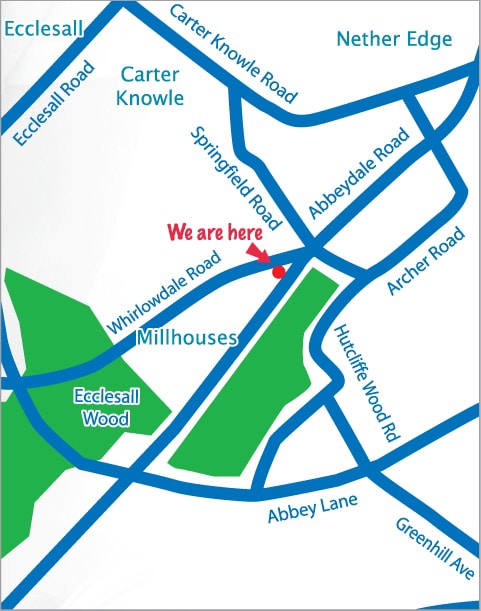
2-4 Abbeydale Road South
Sheffield S7 2QN
0114 262 1999